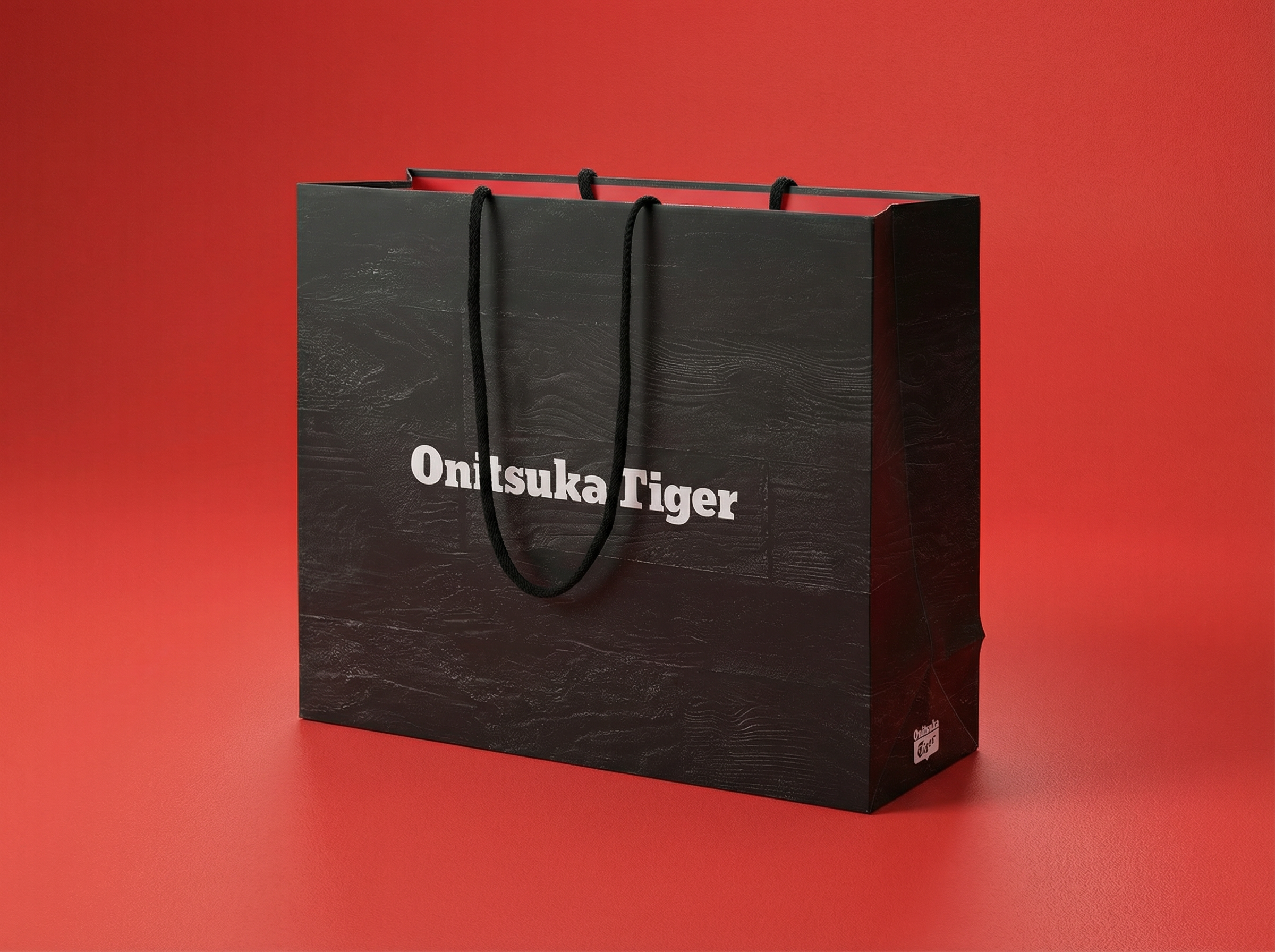

As a designer, I still love a good moodboard. When you’re building one, everything feels aligned. The colours make sense, the materials look premium, the packaging feels modern and intentional. On screen, it all clicks.
Then reality arrives. Regulations need to be met. Materials behave differently at scale than they do in samples. Packaging has to survive transport, storage, handling, and the messy unpredictability of daily retail operations, while still representing the brand with confidence. For a long time, I saw those moments as compromises. Now I see them as the place where design actually starts to matter.
The gap between concept and reality
In packaging, it’s easy to design for an ideal world where materials perform exactly as expected, sustainability requirements stay vague, and every store handles packaging with the same care. It’s a useful place for inspiration, but it isn’t the world our customers operate in.
Real packaging lives inside systems. It moves through supply chains, gets handled in stores, and ends up in waste streams. It’s assessed against regulations and sustainability targets that keep getting more specific. If a design only works on a slide, it isn’t good design, no matter how strong it looks in a presentation.
Compliance is not the enemy of creativity
There’s a common assumption that sustainability and compliance restrict creativity, that rules flatten brands and push everything toward the same safe outcome. In my experience, the opposite happens. Constraints don’t remove creativity, they sharpen it, because they force decisions that are more deliberate and more defendable.
When you know the boundaries early, you stop designing for aesthetics alone and start designing for intent. That intent shows up in choices people can feel, not just describe. A box that feels right in the hand. A material that matches what the brand claims to stand for. A solution that doesn’t require a paragraph of explanation to justify itself.
Good design doesn’t fight reality. It works with it.
Designing for use, not just appearance
One of the biggest shifts in my thinking has been moving from “how does it look?” to “how does it behave?” Because behaviour is what teams and customers interact with every day, and it often determines whether the brand experience feels effortless or frustrating.
A few questions I now treat as design basics, not afterthoughts:
- How does it open when someone is moving fast on a shop floor?
- How does it stack, store, and travel through the supply chain?
- What happens to it after use, and is that outcome predictable?
These questions aren’t secondary. They are the experience. When packaging fails operationally, the brand pays for it in frustration, inconsistency, and credibility. Designing for real life protects the brand long after campaign visuals have done their job.
Why simplicity makes brands stronger
Reality also teaches another lesson quickly: complexity doesn’t age well. Overdesigned packaging systems might look exciting at first, but they’re harder to scale, harder to manage, and harder to keep compliant as requirements shift.
Simplicity, when it’s done properly, is not about stripping away personality. It’s about building a system that stays consistent across locations, stays measurable from a sustainability perspective, and stays workable for the teams who rely on it. From a design perspective, simplicity isn’t boring. It’s disciplined, and disciplined design is what allows brands to grow without losing themselves.
Where Worldpack fits into this thinking
What I value about working at Worldpack is that design is never isolated from reality. We don’t start with “what looks good” and then ask sustainability or operations to make it work somehow. We design inside the constraints from the beginning, because that’s where better solutions come from.
That typically means bringing three things into the early stages: regulatory requirements, real-world material performance, and the idea of packaging as a system rather than a one-off. It’s not the fastest way to make something look impressive in a deck, but it is the most reliable way to create a brand experience that holds up in day-to-day retail.
Designing brands that hold up
At the end of the day, customers don’t experience moodboards. They experience what shows up in their hands, in their stores, and in their bins.
Designing for real life means accepting that packaging has a job to do, for the brand, for operations, and for the environment. When those things align, compliance stops feeling like a hurdle and becomes part of the design language. That’s the moment packaging stops being decoration and starts becoming brand experience in its most honest form.